





Many products labeled "pet-safe" or "pet-friendly" don’t fully address every home's specific needs. Finding the right floor cleaner depends on your pet (cat vs. dog), your flooring material (hardwood, tile, or laminate), and what you’re trying to clean—whether it's urine stains, lingering odors, shed hair, or everyday muddy paw prints.
Beyond marketing claims, choosing the best floor cleaner requires looking closely at ingredient safety, surface compatibility, proper dilution ratios, whether rinsing is needed, and drying times. This guide breaks down essential selection criteria, safer ingredients, high-risk chemicals to avoid, and emergency protocols for suspected pet poisoning.
Why Standard Floor Cleaners Are Risky for Pet Homes
Conventional floor cleaner formulas are rarely designed with pets’ unique habits in mind:
- Direct Contact & Ingestion: Cats and dogs walk across floors, rest their bellies on hard surfaces, and groom their paws. Any residual floor cleaner chemical on their paws gets ingested directly during daily grooming.
- Higher Chemical Sensitivity: Pets process and metabolize chemicals differently than humans. Ingredients harmless to us can cause acute toxicity or long-term organ damage in pets.
- Sensitive Respiratory Systems: A pet's sense of smell is up to 40 times more sensitive than ours. Strong artificial fragrances or volatile fumes from a traditional floor cleaner can cause chronic respiratory stress and irritation.
- Skin Irritation: Highly alkaline or acidic formulas leave harsh residues that cause inflamed paw pads, skin allergies, or interdigital dermatitis.
Choosing a truly pet-safe floor cleaner isn't just about cutting through grime—it’s about minimizing chemical residue, selecting non-toxic ingredients, and following safe mopping practices.
3 Core Principles for Choosing a Pet-Safe Floor Cleaner
Look for Clear Ingredients and Transparent Formulas
Don't rely solely on buzzwords like "natural" or "eco-friendly." Look for a floor cleaner with a neutral pH, plant-based surfactants, and zero or low synthetic fragrances.
| Key Label Term | Why It Matters for Pet Safety |
|---|---|
| Pet-Friendly / Pet-Safe | Acts as an initial filter, though ingredients still require verification. |
| Fragrance-Free / Low-Odor | Prevents respiratory irritation and stress in scent-sensitive animals. |
| Enzyme / Enzymatic | Naturally breaks down urine, vomit, and organic pet stains at the molecular level. |
| Plant-Derived / Biodegradable | Gentle, non-toxic cleaning agents ideal for daily maintenance. |
| Neutral pH | Protects delicate paw pads from chemical burns and prevents floor finish damage. |
| No-Rinse / Low-Residue | Leaves minimal chemical film behind, keeping floors clean and non-sticky. |
| SGS / Third-Party Certified | Validates safety claims through independent non-toxicity testing. |
| Clear Dilution Guide | Prevents over-concentration, reducing product buildup on floor surfaces |
Avoid High-Risk Chemical Ingredients
According to the ASPCA, several common household cleaning agents pose severe health risks to domestic animals. Always scan the label and steer clear of these ingredients:
| Harmful Ingredient | Potential Risks for Cats and Dogs |
|---|---|
| Bleach (Sodium Hypochlorite) | Causes severe respiratory irritation, skin inflammation, and chemical burns if ingested. |
| Ammonia | Highly volatile fumes irritate airways. Its scent also mimics urine to pets, which can trigger territory-marking behavior. |
| Chlorine & Phenols | Phenols (commonly found in classic brown disinfectants) are toxic to cats, as feline livers cannot process them, leading to liver failure or neurological distress. |
| Quaternary Ammonium Compounds (Quats / Benzalkonium Chloride) | Sticky quat residues left by a floor cleaner cause oral ulcers, excessive drooling, and loss of appetite when licked off paws. |
| Synthetic Fragrances & Dyes | Triggers behavioral changes, chronic sneezing, and skin allergies. |
| Concentrated Essential Oils | Oils like tea tree, citrus, peppermint, eucalyptus, and wintergreen are toxic to pets—especially cats—via inhalation or skin absorption. |
| SGS / Third-Party Certified | Validates safety claims through independent non-toxicity testing. |
| Clear Dilution Guide | Prevents over-concentration, reducing product buildup on floor surfaces |
Prioritize Fast Drying and Slip Resistance
A slippery or sticky surface after mopping creates hazards for pets, especially active puppies or senior dogs with joint issues. High residue also acts like a magnet, attracting fresh dust and pet hair right back onto the surface.
Opt for a floor cleaner labeled fast-drying and safe across multi-surface flooring (hardwood, tile, vinyl, and laminate). Golden Rule: Regardless of the product used, keep pets off wet floors until they are 100% dry.
Tiered Daily Cleaning Routine for Pet Homes
Matching your routine to your home's current needs prevents overuse of chemical products:
- Daily Shedding & Paw Dust: Rely on dry sweeping, vacuuming, or microfiber dry mopping.
- Light stains, food crumbs, general odors: Wet mop after diluting according to instructions
- Accidents & Organic Stains (Urine/Vomit): Spot-treat immediately using an enzymatic floor cleaner before mopping the entire room.
- Rainy Weather & Muddy Paws: Focus cleaning on entryways, high-traffic zones, and dining/feeding areas.
GreenSTORE Pet Floor Cleaner Recommendations
To help you make an informed decision, here is how popular market options compare based on their core ingredients, cleaning mechanism, and safety rating:
| Brand | Key Core Ingredients | Deodorizing & Cleaning Mechanism | Surface Compatibility | Pet Safety Rating & Recommendation |
|---|---|---|---|---|
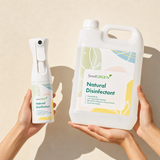
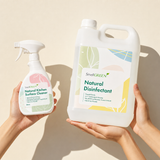
| SmellGREEN® | Thyme essential oil, 100% plant-based extracts | Plant-molecule breakdown; targets odor and bacteria at the source | All floor types (hardwood, tile, laminate) | ⭐⭐⭐⭐⭐ Excellent: US EPA-recognized, 100% non-toxic. Safe for pets to walk on right after drying |
| Pipper Standard | Pineapple ferment enzymes, plant-based surfactants | Natural enzymatic breakdown: pineapple enzymes thoroughly target and remove urine scale and stubborn grease | All surfaces; conditions natural wood floors well | ⭐⭐⭐⭐⭐ Excellent: Hypoallergenic, fully biodegradable, and ideal for sensitive cats and dogs |
| DIRECT GQ4 | 5th-Gen Quaternary Ammonium Compounds (DDAC/ADBAC) | Heavy chemical disinfection and neutralization | Hard non-porous surfaces, tile | ⚠️ Use with Caution: Contains high quat levels that leave residue, risking oral ulcers if licked |
| GERMAGIC PET | Thyme oil, MAP-1 polymer, cedarwood, cinnamon extract | Encapsulating polymer antimicrobial coating | Tiles and high-wear surfaces | ⚠️ Not Recommended for Daily: Cinnamon extract can pose liver stress and allergy risks to cats and dogs. |
| HYGINOVA | Hypochlorous acid (150–210 ppm), purified water | Oxidative breakdown via free chlorine | Tiles (may dull wood finishes over time) | ⚠️ Not Recommended for Daily: Lacks cleaning surfactants; solution is unstable over time and degrades quickly |
| Dettol | Chloroxylenol (PCMX), synthetic fragrances | Heavy chemical disinfection with strong fragrance masking | Tile (can damage wood finishes) | ❌ Avoid: PCMX is highly toxic to cats and dogs, risking liver/kidney failure. Requires extensive rinsing |
| Magiclean | Synthetic surfactants, strong chemical degreasers | Harsh surfactants scrub dirt; heavy fragrance masks odor | Tiles | ❌ Avoid: Leaves heavy chemical film that causes paw irritation and interdigital dermatitis |
| SWIPE | Traditional chemical base, synthetic citrus scent | Standard chemical washing with citrus fragrance masking | Tile, laminate | ❌ Not Recommended: Citrus scents trigger anxiety and airway distress in cats. High residue levels |
Poisoning Symptoms & Emergency Response Protocol
Chemical poisoning in pets often builds up slowly from daily exposure and paw-licking. Recognizing early warning signs is vital.
Common Signs of Cleaner Toxicity or Irritation
Symptoms can appear within minutes to hours, ranging from mild salivation and vomiting to severe breathing difficulties, seizures, or coma.
- Mild/Early Signs: Excessive drooling, persistent lip-licking, watery eyes, coughing, or sneezing.
- Digestive Distress: Vomiting, diarrhea, loss of appetite, or sudden lethargy.
- Skin Issues: Redness, scratching, hair loss, or obsessive paw-chewing.
- Severe Symptoms: Muscle tremors, seizures, unsteadiness, severe breathing difficulty, collapse, or unconsciousness.
Emergency Action Steps
Step 1 - Remove Pet Immediately: Move your pet into a fresh-air environment away from the cleaned zone.
Step 2 - Do NOT Induce Vomiting: Forcing vomiting without medical guidance can cause severe esophageal burns.
Step 3 - Rinse Contact Areas: If the floor cleaner touched skin or eyes, flush gently with lukewarm water for 15 minutes.
Step 4 - Gather Information: Take a photo or bring the product bottle (including ingredient list) directly to your vet.
Step 5 - Seek Urgent Veterinary Care: Contact an emergency vet right away. Keep your pet warm during transit, positioning their head lower than their torso to keep airways clear if they vomit.
Frequently Asked Questions (FAQs)
Q: Does a product have to say "Pet-Safe" on the label to be safe?
Answer: Not strictly. While a "Pet-Safe" label helps filter options, you should always verify the full ingredient list. Ensure it avoids harsh chemicals like bleach, quats, or phenols, and check whether it requires dilution or rinsing.
Q: Can I spray a pet-safe floor cleaner directly on the floor and let it dry?
Answer: Yes, provided the formula is designed for direct application, low-residue, and non-toxic. Always keep pets away until the floor is completely dry.
Q: Should I always rinse the floor with clean water after mopping?
Answer: It depends on your product. Multi-surface plant-based formulas often require no rinsing. However, if you are using a stronger disinfectant, or if your pet sleeps on the bare floor and licks their paws frequently, an extra fresh-water rinse offers added peace of mind.
Q: How long should I keep my pets out of the room after mopping?
Answer: Wait until the floor is completely dry to the touch, free of lingering moisture or sticky spots, and well-ventilated. In humid climates, allow extra drying time.
Q: Which floor cleaner ingredients are the most dangerous for cats?
Answer: Phenols, bleach, ammonia, quaternary ammonium compounds (quats), and concentrated essential oils (like tea tree or citrus) present the highest risk of toxic reaction in cats.
Points Redeeming Program
You will earn 1 point for every HKD$1 spent in your purchase, excluding the delivery fees. You can save up these points and redeem for rewards in the form of coupon codes for your next purchase. However, all points are only valid from 1/1 to 31/12 every year. The points can only be accumulated within the period of validity every year, carry-over will not be available.
New member will get 500 points upon registration, sign up now!
