
























Getting close to a cat isn’t about petting them as often as possible. It’s about helping them feel safe and giving them the freedom to choose when to interact. Small gestures—lowering yourself to their level, avoiding direct stares and letting them sniff your finger first—can make a difference. Add treats and play, and you can gradually build a positive connection that encourages your cat to approach you on their own.
How to Approach a Cat

When meeting a cat for the first time, give them space. Crouch down, turn slightly sideways and avoid reaching out suddenly, following them or staring into their eyes. Letting a cat approach and sniff you at their own pace is usually a better way to build trust than picking them up.
Start with a gentle greeting
1. Sit or crouch down so you feel less imposing.
2. Turn your body slightly sideways rather than leaning directly over the cat.
3. Stay quiet and keep your movements slow and gentle.
4. Hold one finger still a little way in front of their nose, leaving enough space for them to decide whether to investigate.
5. If they approach or rub their cheek against your finger, try a gentle stroke.
Don’t follow a cat that moves away, and avoid reaching over their head to touch them. The aim is to offer an invitation—not to insist on contact.
Where Cats Like Being Petted

Most cats are more comfortable with gentle strokes around the chin, cheeks, forehead, top of the head and behind the ears. Keep each interaction brief, petting for just a few seconds before pausing. Watch their ears, tail and posture to see whether they still want to interact.
| Often more comfortable | Best avoided at first |
|---|---|
| Chin and cheeks | Belly |
| Forehead and top of the head | Paws |
| Behind the ears | Tail |
| Sides of the neck | Hind legs and lower back |

The belly, paws, tail and areas around the hind legs are often more sensitive, so avoid touching them while you’re still building trust.
A cat showing you their belly isn’t necessarily asking for a belly rub. They may simply be relaxed, or they may be in a defensive position. Let their overall body language guide you rather than treating an exposed belly as an invitation.
Reading Your Cat’s Signals

A cat that approaches you, rubs against you, relaxes or purrs is often open to interaction. If they turn away, lash their tail, flatten their ears, show widened pupils, hiss or leave, stop and give them space.
Pay attention to their whole body rather than relying on a single signal.
| Signal type | What you might notice | How to respond |
|---|---|---|
| Positive signals | Approaching voluntarily, an upright tail, cheek rubbing, slow blinking or a relaxed body | Continue gently, with regular pauses so the cat can choose whether to stay |
| Time for a pause | Turning their head away, rapid tail movements, ears turning back or a tense body | Stop touching them and give them more space |
| Clear warnings | Hissing, growling, swiping, biting or trying to escape | End the interaction and let them move away without following |
Respecting an early “no” helps keep the interaction comfortable. You don’t need to wait for a hiss or a swipe before stopping.
Bonding Through Treats and Play
Slow blinking can help you appear less threatening, while treats can help a cat associate your presence with something enjoyable. Short, regular interactions—such as a play session followed by a small reward—can help build a steady, positive relationship.
Use slow blinks, not stares
Instead of holding a direct stare, gently soften your eyes and blink slowly. Keep the moment relaxed, without expecting your cat to respond or come closer.
Offer treats without pressure
1. Start by placing or gently tossing a treat at a distance your cat is comfortable with.
2. Reward them when they approach voluntarily or share a calm interaction with you.
3. Gradually reduce the distance as their confidence grows, rather than expecting close contact straight away.
4. Keep portions small and include treats in their total daily calorie intake.
Treats should reward a comfortable choice, not tempt a nervous cat into contact they would otherwise avoid.
Make play rewarding

Use a wand toy to mimic the movement of prey. Keep sessions to around 10–15 minutes, and let your cat successfully “catch” the toy at the end. Follow with a small amount of food to round off the hunting sequence.
Helping Shy Cats Settle In

A newly adopted or nervous cat may take anywhere from a few days to several weeks to adjust. Their age, previous experiences, personality and the changes around them all affect the pace.
A quiet space, predictable routines and safe hiding places can help. Rewarding small steps towards you is more effective than forcing affection.
Let confidence build gradually
1. Create a safe retreat. Provide somewhere your cat can hide completely and feel secure.
2. Make essentials easy to find. Keep food, water and the litter tray accessible without crowding everything into one small area.
3. Allow quiet exploration. At first, follow a simple rule: don’t chase, don’t stare and don’t insist on touching.
4. Reward from a distance. Begin at a distance your cat accepts, then gradually move closer as they become more comfortable.
5. Seek support when needed. Consult a vet or a qualified animal behaviour professional if your cat shows ongoing aggression, refuses to eat or displays unusual hiding behaviour.
A Closer Bond Starts with a Comfortable Home
Cat Toys and Interactive Play

From wand toys and interactive toys to hidden treats and toys you can rotate, turn your daily time together into a rewarding “successful hunt” your cat looks forward to.
Quick tip: You don’t need to put every toy out at once. Rotate a few at a time to keep playtime fresh and interesting.
Explore Cat Toys and Interactive Accessories
Cat-Friendly Everyday Cleaning

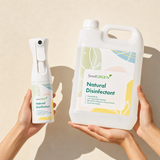
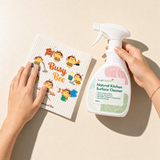
How you clean floors, frequently touched surfaces, cat carriers and accessories can affect how comfortable your cat feels at home. Look for clearly listed ingredients, use products as directed and allow surfaces to dry completely.
Quick tip: Always follow the instructions on the product label. Keep your cat away from cleaned surfaces and items while they’re still wet.
Explore Cat-Friendly Cleaning Solutions
Allerpet® Cat Dander Remover

For cats that dislike baths, Allerpet® offers a wipe-on option for regular skin and coat care. According to the product page, it is designed to help remove Fel d 1 allergen proteins from your cat’s skin and coat while cleansing and moisturising.
Quick tip: Use as directed and according to your cat’s needs. If your cat has a skin condition or shows signs of discomfort, consult your vet first.
Explore Allerpet® Cat Dander Remover
Points Redeeming Program
You will earn 1 point for every HKD$1 spent in your purchase, excluding the delivery fees. You can save up these points and redeem for rewards in the form of coupon codes for your next purchase. However, all points are only valid from 1/1 to 31/12 every year. The points can only be accumulated within the period of validity every year, carry-over will not be available.
New member will get 500 points upon registration, sign up now!
