


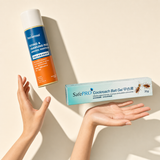









Not seeing a rat at home doesn’t mean your home is rodent-free. Rat droppings, urine, saliva, and nesting materials can contaminate surfaces and spread disease-causing pathogens. This guide explains the main types of plague, how they spread, their incubation periods and symptoms, as well as the risks of hantavirus infection—so you can take practical steps to protect your home.
Alongside rodent control and flea prevention, proper cleaning and disinfection matter. Wet-cleaning contaminated areas, rather than sweeping or vacuuming dry droppings, helps reduce the risk of inhaling infectious particles.
What Is Plague?
Plague is a zoonotic infectious disease caused by the bacterium Yersinia pestis. It commonly circulates among small mammals and their fleas. Depending on where the infection occurs in the body, the main forms are bubonic plague, pneumonic plague, and septicaemic plague.
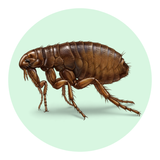
The infamous “Black Death” was the medieval name for devastating plague pandemics. The key culprit was not simply rats themselves, but infected fleas whose bites transmitted the bacteria—most often causing bubonic plague.

3 Main Ways Plague Spreads
Plague is not spread simply by touching any rat. According to the World Health Organization (WHO), people can be infected through three main routes:
- Bites from infected fleas: The most common route, usually leading to bubonic plague.
- Contact with infected animals: Handling infected animal tissue, body fluids, or contaminated materials can allow bacteria to enter through cuts or broken skin.
- Inhaling respiratory droplets or particles: This is mainly linked to people with pneumonic plague or infected animals’ respiratory secretions.
Bubonic plague is the most common form worldwide, but it generally does not spread easily between people. Pneumonic plague, however, can spread through respiratory particles and is the most severe and contagious form.
Do not overlook Hantavirus

Compared with plague, hantavirus may be even more relevant to household rodent problems. It is primarily carried by rodents such as mice and rats, and the virus can be present in their urine, droppings, and saliva. When these materials dry out and are disturbed, contaminated dust or droplets can become airborne and be inhaled.
Does Inhaling Particles from Rat Droppings Cause Infection?
The most common way people catch hantavirus is by breathing in airborne particles contaminated with urine, droppings, saliva, or nesting materials from infected rodents. The risk is especially high when cleaning enclosed, poorly ventilated spaces.
Infection may also occur after touching contaminated objects and then touching your eyes, nose, or mouth, or after being bitten or scratched by a rodent.
What Are the Symptoms?
Hantaviruses can cause different illnesses, including Hantavirus Pulmonary Syndrome (HPS) and Haemorrhagic Fever with Renal Syndrome (HFRS). Early HPS symptoms can resemble flu, including fever, fatigue, and muscle aches. Some people later develop coughing, shortness of breath, and chest tightness, which can worsen quickly.
If you have been exposed to rodents or their droppings and then develop fever, muscle aches, fatigue—especially with breathing difficulty—seek medical care immediately and tell healthcare professionals about the possible exposure.
How to Spot Signs of Rodents at Home

Even if you never see a rat, these signs may indicate rodent activity:
- Gnaw marks: Small bite marks on food packaging, electrical wires, wooden furniture, or wall corners.
- Droppings: Small black or dark-brown pellet-like droppings in dark areas such as under kitchen cabinets, behind drawers, in storage rooms, or ceiling voids.
- Odours and nests: A persistent ammonia-like or urine smell, plus nests made from paper scraps, fabric, plastic wrap, or similar materials.
If you find that rats are continually appearing, or if the rodent problem at the premises is serious and you need to seek a solution, please read the article:
40 Rats, One Trap: Discover the Effective Pest Control Solution
3 Common Cleaning Blind Spots: “No Rats in Sight” Doesn’t Mean “Safe”
Blind Spot 1: Cleaning With Water Alone
Water can remove visible dust, but it may not adequately address areas contaminated by rodent waste.
First contain and wet the contamination to avoid raising dust, then clean and disinfect the surface using an appropriate product.
Blind Spot 2: Overusing Harsh Acids, Alkalis, or Chemical Disinfectants
Strong chemical cleaners can produce irritating fumes, particularly in enclosed spaces, and may not be ideal for households with children, pets, or people with sensitivities.
Always follow the product label for dilution and contact time, wear gloves, keep the space ventilated, and never mix different cleaning chemicals.
Blind Spot 3: Sweeping Rat Droppings Directly
Do not use a broom or vacuum cleaner to clean up dried mouse droppings, as this can stir up dust containing pathogens.
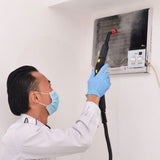
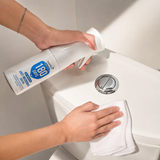
A safer approach is to first put on disposable gloves and a mask, spray cleaning disinfectant to keep the droppings and surrounding area moist, remove them with disposable paper towels, then disinfect the surface and wash your hands thoroughly.
Expert Tips: 3 Daily Habits for a Cleaner, Safer Home

Habit 1: Block Entry Points and Manage Food
The first step in rodent prevention is removing their access to food, water, and shelter. Store food in sealed containers, clear food waste promptly, repair gaps around doors, windows, and walls, and regularly check dark corners such as under cabinets, storage rooms, and behind air-conditioners.
Habit 2: Clean Up Waste Safely and Disinfect Thoroughly
When you find rodent droppings, urine, or nests, avoid dry sweeping. Wear disposable gloves and a mask, spray the contaminated area with a cleaning disinfectant, allow the recommended contact time, remove the material with disposable paper towels, then disinfect nearby surfaces. Seal the waste before disposal and wash your hands thoroughly afterwards.
Habit 3: Build a Routine Disinfection Habit
Regularly clean high-touch areas such as kitchen countertops, door handles, light switches, cabinet handles, bin lids, and areas where pets spend time. Choose a gentle but effective disinfecting product, use it according to its instructions, and help reduce the microbial load in your home environment.
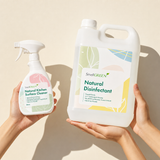
SmellGREEN® Natural All-Purpose Cleaner
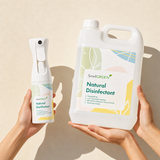
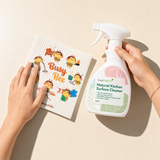
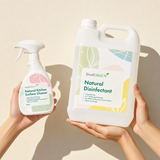
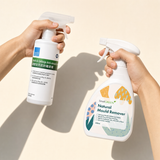
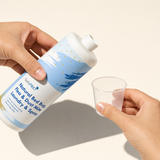
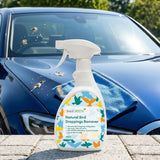
For rodent prevention and post-rodent cleaning, it is not enough to remove visible stains—you also need to focus on surface disinfection and odour control. SmellGREEN® Natural All-Purpose Cleaner uses plant-derived thymol as a key ingredient and is designed to clean, disinfect, remove mould and deodorise.
- 4 Function in 1: Cleaning and stain removal, disinfection, mould removal, and deodorising.
- Plant-derived Thymol Formula: certified by the U.S. EPA, Health Canada and Australia’s TGA.
- 99.999% (5-log) Hospital-grade Disinfection: Effective against plague bacteria and hantavirus.
Frequently Asked Questions (FAQs)
Q: Can plague spread from person to person?
Answer: Plague does not spread indiscriminately like air pollution. The main person-to-person risk comes from respiratory droplets produced when someone with pneumonic plague coughs or speaks. Bubonic plague usually does not spread directly between people.
Q: Does a rat bite always cause plague?
Answer: No. Plague is mainly transmitted through infected flea bites, contact with infected animal tissue or fluids, or inhalation of infected respiratory droplets. Still, after a rat bite or scratch, wash the wound immediately with soap and water, disinfect it, and seek medical advice if needed.
Q: Is plague common in Hong Kong?
Answer: Plague is a bacterial infection and can be treated with antibiotics. Hantavirus is a viral infection, mainly transmitted through contact with or inhalation of aerosols from infected rodents’ urine, droppings, saliva, or nesting materials. Hantavirus symptoms may appear weeks after exposure, often beginning with fever, fatigue, and muscle aches.
Q: Can plague be treated?
Answer: Yes. Plague is a bacterial infection that can be treated with antibiotics, but delayed treatment can lead to serious complications. Seek urgent medical care if you develop a high fever, painful swollen lymph nodes, coughing, or breathing difficulty—do not wait for symptoms to go away on their own.
Q: Can I use a broom to clean up a dead rat?
Answer: No. Do not touch it with bare hands or dry-sweep it, as this can spread hair, dust, and contaminants. Wear gloves and a mask, spray the carcass and surrounding area with disinfectant, then use disposable tools to seal and dispose of it. If there are multiple dead rodents or the carcass is difficult to reach, arrange professional cleaning.
Q: How can I effectively prevent rodents at home?
Answer: The most effective approach is to remove food, shelter, and access routes: store food and pet food in sealed containers, dispose of covered rubbish daily, repair gaps in walls, doors, and windows, and regularly inspect under cabinets, storage rooms, and ceiling voids.
Points Redeeming Program
You will earn 1 point for every HKD$1 spent in your purchase, excluding the delivery fees. You can save up these points and redeem for rewards in the form of coupon codes for your next purchase. However, all points are only valid from 1/1 to 31/12 every year. The points can only be accumulated within the period of validity every year, carry-over will not be available.
New member will get 500 points upon registration, sign up now!
