





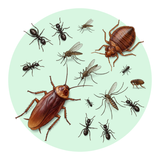
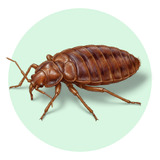

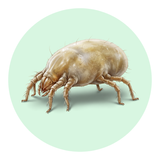
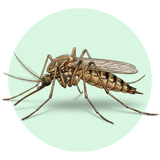

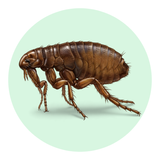



Whenever cockroaches, ants, or flying insects appear at home, many people immediately grab an insect spray and start spraying everywhere. However, many households are actually using insecticides incorrectly or unsafely.
Some people also misunderstand when insect sprays should be used, treating short-term killing as long-term prevention. This can unintentionally lead to the buildup of harmful chemical residues at home. This article explains the basic safety principles of insect sprays, post-application handling, how to determine the right timing for use, and introduces low-toxicity modern options to help you adopt a safer, more effective pest control strategy.
What’s the Difference Between Insect Spray and Insecticide?
All insect sprays are insecticides, but not all insecticides come in spray form. The key differences lie in formulation, usage, and application scenarios.
- Insecticide: A broad category that includes any substance used to kill or repel insects. Forms include gels (cockroach bait), ant baits, powders (e.g., diatomaceous earth) and fumigation products used in sealed environments.
- Insect Spray (Aerosol Insecticide): The most common household form in Hong Kong. Active ingredients are dissolved in water or mild solvents and released as a pressurized spray. Both instant-kill sprays for flying insects and residual sprays for crawling insects fall into this category.
Basic Safety Principles for Using Insect Spray
Even low-toxicity sprays should follow three key principles: minimize inhalation, avoid contact and prevent contamination.
- Follow product instructions carefully
- Remove food, utensils, and drinking water before spraying
- Keep children and pets away during application
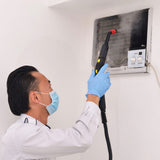
- Wear basic protection such as a mask and gloves
- Ensure good ventilation after use
- Avoid use in enclosed spaces or bedrooms
- Do not touch treated surfaces until dry
- Protect aquatic life (cover or move fish tanks)
Effective Use of Insect Spray
To maximize the effectiveness of insecticide spray, the key lies in accurate targeting and understanding pest behavior, rather than simply increasing the amount used.
- Instant Kill Method (for flying insects): For mosquitoes, flies, or midges, use insecticides specifically designed for flying insects. Wait until they are hovering or resting, then aim directly and spray for 2–3 seconds. This is sufficient to kill them quickly—there is no need to fill the entire room with spray.
- Residual Spraying Method (for crawling insects): Cockroaches and ants naturally prefer to travel along dark edges and corners. The correct method is to spray directly onto their hiding spots and common pathways (such as wall corners, under cabinets, drains, and cracks). Allow the insecticide to dry naturally in these areas to create an invisible protective barrier.
- Avoid widespread spraying: Indiscriminate spraying increases human exposure and environmental contamination, but does not necessarily improve effectiveness.
- Short enclosure followed by ventilation: After spraying, you may briefly close windows (for a few minutes) to allow the insecticide to work. Afterwards, open windows to ventilate, improving both effectiveness and safety.
Safe Handling Steps After Spraying
Many parents and pet owners overlook proper post-spraying cleanup, which is often the main cause of accidental chemical ingestion from residues. The correct steps are:
- Ventilate continuously for at least 1 hour: Open windows to create airflow and reduce residual concentration.
- Avoid immediate re-entry: Wait until the smell has noticeably dissipated before returning to reduce inhalation risk.
- Wipe high-contact surfaces: After ventilation, thoroughly clean frequently touched areas (such as dining tables, kitchen countertops, central floor areas, and baby cribs) with a clean damp cloth, especially where infants or pets may come into contact.
Insecticide Spray, Gel Baits or Professional Pest Control—Which Is Right for You?
Depending on the severity of the infestation and your home layout, which pest control method should you choose?
| Method | Main Advantages | Duration | Safety | Suitable Situations |
|---|---|---|---|---|
| Insecticide Spray (Aerosol) | Extremely fast-acting, immediate effect, wide coverage area | Low to medium | Medium (ensure proper ventilation and avoid inhalation) | Immediate detection of pests, localized treatment |
| Gel Bait | Applied in small spots, does not disperse into the air, achieves a chain-effect elimination of the nest | High | Relatively high (non-volatile, lower environmental impact) | Recurring pest problems, nest control, cluttered environments, or when avoiding whole-house spraying |
| Professional Pest Control Service | Thorough eradication, convenient and hassle-free | High | Depends on treatment method (assessed by professionals) | Severe infestations, when multiple DIY methods have failed to resolve the problem |
Pest Control Application Recommendations
| Scenario | Recommended Method |
|---|---|
| When a single or a small number of pests are found | Use insecticide spray for immediate treatment |
| When pests continue to appear (e.g., cockroaches) | Use gel bait for long-term control |
| When a nest or infestation is suspected | Prioritize gel bait or use it in combination with other treatments |
| When the situation is severe or repeatedly unresolved | Seek professional pest control services |
| When long-term prevention and comprehensive management are needed | Combine professional services with daily preventive measures |
Popular & Highly Rated Insecticide Spray Recommendations
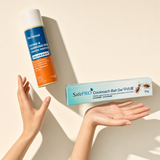
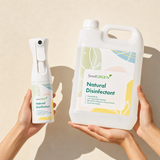
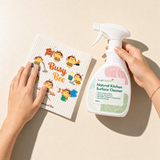
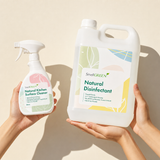
Looking for hospital-grade, high-efficiency pest control while meeting the safety standards of hygienic households? GreenSTORE has carefully selected 3 low-toxicity, safe insecticide sprays from PestAerosol™ , certified by the CAAC.
Frequently Asked Questions (FAQs)
Q: How long should I wait before re-entering a room after spraying insecticide?
Answer: It is generally recommended to leave the area for at least 30 minutes to several hours after spraying insecticide. The exact time depends on the product instructions, amount used, and ventilation conditions. Some products specify waiting 2–4 hours or longer, and label instructions should always be followed.
Ensure that the spray has settled and begin ventilation before re-entering. Avoid staying in the area while aerosols are still suspended or when there is a strong odor.
For enclosed spaces (such as bathrooms or storage rooms), longer ventilation is recommended. If there is still a noticeable irritating smell, do not enter.
For households with children, elderly individuals, or people with respiratory sensitivities, a more conservative waiting time is advised, and the space should only be used after full ventilation.
Q: Is it necessary to open windows for ventilation after spraying insecticide?
Answer: Yes. Ventilation is an essential safety step when using insecticides. It helps reduce the concentration of residual volatile chemicals in the air, lowering inhalation risks and speeding up odor dissipation.
The best practice is to create cross-ventilation by opening both windows and doors. Small or windowless spaces (such as bathrooms) should use exhaust fans. Avoid staying indoors until ventilation is complete.
Q: Can households with children use insecticides?
Answer: Yes, but usage must be strictly controlled. Choose low-odor, low-toxicity, and certified products, and avoid spraying directly in areas where children are active.
After use, ventilate thoroughly and clean surfaces that children may touch (such as floors, tables, and toys). Do not allow children to enter the area until the spray has fully dried and odors have dissipated. Store insecticides properly to prevent accidental contact or ingestion.
Q: How should insecticides be used safely if there are pets?
Answer: Remove pets from the treated area before use, including their food bowls, bedding, and toys. Avoid heavy spraying in areas where pets frequently stay, especially on floors and fabric surfaces.
After spraying, wait until the insecticide has dried and the area is fully ventilated before allowing pets back in. Some ingredients are particularly toxic to cats and dogs (especially cats), so only use products confirmed to be safe. Prevent pets from contacting treated surfaces to avoid skin absorption or ingestion.
Q: Can insecticides be sprayed directly on mattresses or fabrics?
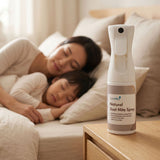
Answer: Generally not recommended unless the product explicitly states it is safe for mattresses, upholstery, or fabrics. Mattresses are high-contact areas, and improper treatment may increase long-term exposure to residues.
If necessary, use spot treatment (such as seams or edges) and ensure complete drying before use. For dust mites or bed bugs, consider specialized products or professional pest control services.
Q: Do insecticides leave residues? How can risks be minimized?
Answer: Most insecticides leave some level of residue, especially on porous materials (such as wood and fabrics). Residue duration depends on ingredients, environmental conditions, and cleaning frequency.
To reduce risk:
- Clean high-contact surfaces (such as tables and kitchen counters) after ventilation
- Avoid spraying directly in food preparation areas
- Do not use excessively or too frequently
- Regularly clean treated areas
Q: Are natural insecticides effective?
Answer: Natural insecticides (such as plant essential oil-based formulas) can be effective for mild infestations or prevention, such as repelling mosquitoes or reducing insect activity. However, their killing power is generally weaker than chemical insecticides and may be ineffective for severe infestations (such as cockroaches or termites).
When choosing products, balance safety and effectiveness. Do not assume “natural” means completely risk-free, as some natural ingredients can still cause irritation to humans or pets.
Q: Why do I still see cockroaches after spraying insecticide?
Answer: This is usually because insecticides only affect insects that come into direct contact with the spray and may not reach those hidden in nests or eggs. Additionally, some cockroaches may not die immediately after exposure and can remain active for a short time.
Effective control requires multiple approaches, including:
- Identifying and treating the source (such as drains, cracks, and under cabinets)
- Maintaining cleanliness to eliminate food sources
- Using baits or traps
- Considering professional pest control services for severe infestations
Points Redeeming Program
You will earn 1 point for every HKD$1 spent in your purchase, excluding the delivery fees. You can save up these points and redeem for rewards in the form of coupon codes for your next purchase. However, all points are only valid from 1/1 to 31/12 every year. The points can only be accumulated within the period of validity every year, carry-over will not be available.
New member will get 500 points upon registration, sign up now!
